Expert Sports Injury Treatment in Jaipur for Stronger Recovery & Return to Sport
Sports injury treatment in Jaipur at Long Life Physiotherapy focuses on helping you recover movement, strength and confidence after a sports or exercise-related injury.
Whether pain started suddenly during activity or developed gradually with repeated training, rehabilitation is planned around your injury, current ability and the physical demands of the sport or activity you want to return to.
Individual injury assessment
Strength & mobility rehabilitation
Progressive return to activity
Sports Injury Physiotherapy & Rehabilitation in Jaipur
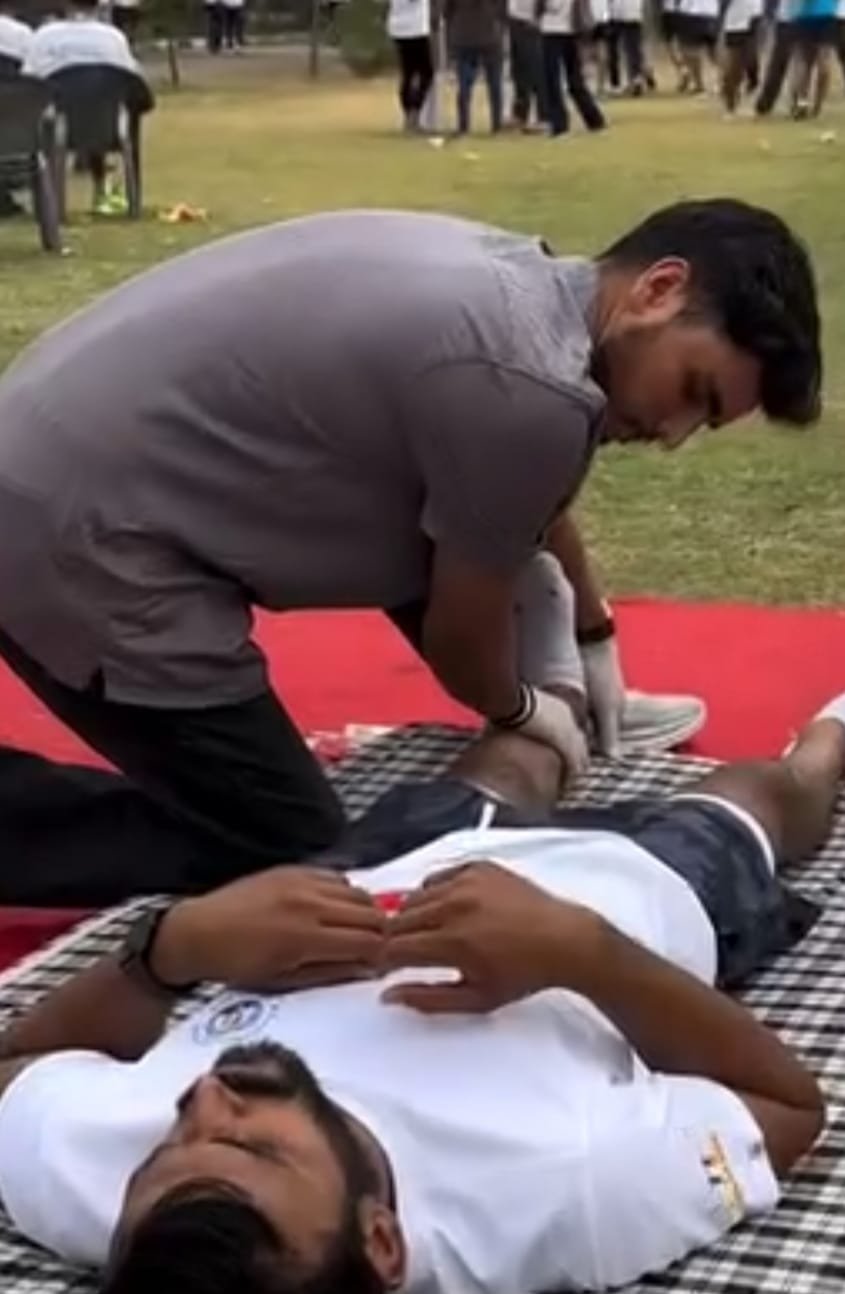
Sports Injuries That May Benefit From Physiotherapy & Rehabilitation
Sports injuries can happen suddenly during running, jumping, twisting or contact, while others develop gradually from repeated training load. The right rehabilitation depends on the injured area, symptoms and demands of your activity.
Knee & Ligament Injuries
ACL • MCL • MENISCUS • KNEE PAINRehabilitation may focus on restoring knee movement, strength, control and gradually preparing the leg for running, jumping or sport-specific activity.
Ankle Sprains & Foot Injuries
SPRAINS • INSTABILITY • RETURN TO RUNNINGPhysiotherapy can address ankle mobility, strength, balance and movement control before progressively returning to demanding activity.
Muscle Strains
HAMSTRING • CALF • QUADRICEPS • GROINMuscle rehabilitation can involve progressive loading, flexibility where appropriate and rebuilding the strength required for your sport.
Shoulder Sports Injuries
ROTATOR CUFF • OVERHEAD SPORTS • SHOULDER PAINShoulder rehabilitation may work on mobility, muscle strength and control required for throwing, lifting, racquet sports and other overhead movements.
Tendon & Overuse Problems
TENDON PAIN • REPETITIVE LOAD • TRAINING STRESSGradually developing pain may require changes in training load together with progressive strengthening and a planned return to activity.
Post-Injury & Post-Surgery Rehabilitation
STRENGTH • MOBILITY • FUNCTION • SPORTWhere appropriate, rehabilitation can help rebuild movement, strength and functional ability after an injury or orthopedic procedure before progressing towards sport.
Looking for sports injury treatment in Jaipur? An assessment can help identify your current movement, strength and functional limitations before rehabilitation is planned.
From Injury Assessment to Return to Sport
Sports rehabilitation should match the demands of your activity. We assess the injured area, movement, strength and function before progressing rehabilitation step by step.
Understand the Injury & Functional Limitation
We discuss how the injury happened, what movements are painful or difficult and how it is affecting training, sport or daily activity.
Restore Comfortable Movement
Where appropriate, rehabilitation may begin with mobility, movement control and activities that can be performed safely without unnecessarily aggravating symptoms.
Progress Strength & Load Tolerance
Strengthening is progressed according to the injured area, current ability and the physical demands required for your sport.
Rebuild Running, Jumping & Direction Change
When suitable, rehabilitation can progress towards sport-specific movements such as running, landing, jumping, cutting, throwing or other relevant tasks.
Gradual Return to Training & Activity
Return to sport is progressed according to symptoms, movement, strength, confidence and the demands of the activity rather than based on time alone.
When Are You Ready to Return to Sport?
Return to sport should not depend only on pain settling or a fixed number of weeks. Readiness is better judged by how well you can move, load the injured area and perform the demands of your activity.
You can perform the movements needed for your sport with better control and without a significant increase in symptoms.
The injured area can tolerate progressively greater resistance and repeated loading appropriate to your activity.
Depending on the injury, balance, coordination and control may need to improve before returning to faster or more demanding tasks.
Running, jumping, landing, cutting, throwing or other relevant movements can be introduced and progressed according to your sport.
Physical readiness is important, but confidence in the injured area also matters when progressing back towards training and competition.
Rehabilitation Built Around Your Sport & Your Goals
Sports injury rehabilitation should reflect the physical demands of the activity you want to return to. That means looking beyond pain and considering movement, strength, control and confidence.
At Long Life Physiotherapy, rehabilitation is progressed according to your individual findings and the level of activity required for training, competition or recreational sport.
We assess the injured area, movement, strength and how the problem is affecting your sport or training.
Rehabilitation is progressed according to your tolerance and the loads required for your activity.
Where appropriate, later rehabilitation can include running, jumping, landing, cutting or other activity-specific drills.
The aim is to rebuild the capacity and confidence needed to return towards training and sport safely.
Start With the Right Rehabilitation Plan
If an injury is limiting running, training, gym work or sport, assessment can help identify which areas need rehabilitation before progressing activity.
Movement & mobility assessment
Strength & loading progression
Balance & movement control
Return-to-sport planning
If you are searching for a sports physiotherapist in Jaipur or sports injury treatment near me, contact Long Life Physiotherapy to arrange an assessment.
Sports injury rehabilitation is part of our wider orthopedic physiotherapy services in Jaipur.
When a Sports Injury May Need Medical Attention
Many sports injuries can be assessed and rehabilitated with physiotherapy, but some symptoms may require medical evaluation before or alongside rehabilitation.
Unable to Bear Weight
If you cannot stand, walk or put weight through the injured leg after a sports injury, appropriate medical assessment may be needed.
Severe or Rapid Swelling
Significant swelling that develops quickly after a twist, fall, collision or other injury should not simply be ignored.
Obvious Deformity
A joint or limb that looks visibly out of position or deformed following an injury requires prompt medical assessment.
Numbness or Loss of Sensation
New numbness, altered sensation or other significant neurological symptoms following an injury should be medically evaluated.
Joint Locks or Gives Way
Repeated locking, significant instability or an inability to move the injured joint normally may require further assessment.
Symptoms Keep Getting Worse
Increasing pain, swelling or loss of function despite reducing activity is a reason to seek an appropriate assessment rather than continuing to train through it.
Do Not Try to “Push Through” Significant Symptoms
Continuing sport through severe pain, major swelling, inability to bear weight or significant loss of function may not be appropriate. Seek medical care when symptoms suggest a more serious injury.
Talk to Our Physiotherapy Team
For suitable injuries, an assessment can help identify movement and strength limitations and guide your rehabilitation plan.
Questions People Ask About Sports Injury Rehabilitation
Clear answers about recovery, exercise, scans, physiotherapy and returning safely towards sport.
Complete rest is not always necessary for every sports injury. The right amount of activity depends on the injured tissue, severity of symptoms and stage of recovery.
In many cases, rehabilitation involves temporarily modifying painful activities while maintaining movements that are safe and gradually rebuilding strength and load tolerance. You should not continue training through significant pain or worsening symptoms.
Recovery time depends on the type and severity of injury, the tissue involved, previous injuries and the physical demands of the activity you want to return to.
A mild injury may improve relatively quickly, while ligament, tendon, surgical or more significant injuries may require several weeks or months of rehabilitation. Return to sport should be based on functional progress rather than time alone.
Returning to sport usually depends on more than whether pain has settled. Movement, strength, balance, control, confidence and sport-specific ability may all need to be considered.
Rehabilitation can progress from basic movement and strength towards running, jumping, change of direction or other relevant tasks before a gradual return to training and competition.
Not every sports injury requires an MRI. Many injuries can initially be assessed through the history of the injury and a physical examination.
Imaging may be appropriate when the assessment suggests a significant structural injury or when the result would change treatment decisions. A healthcare professional can advise whether an MRI, X-ray or other investigation is appropriate.
Many sports injuries can be managed conservatively with physiotherapy, progressive exercise and activity modification when surgery is not required.
Sports injury physiotherapy in Jaipur may focus on restoring movement, strength, balance and sport-specific function. Some injuries do require surgical or specialist assessment, so treatment depends on the individual diagnosis and clinical findings.
Recurring symptoms can happen for several reasons, including returning to activity before adequate strength or capacity has been rebuilt, repeated overload or an incomplete rehabilitation progression.
Assessment can look at movement, strength, training load and sport-specific demands to identify areas that may need to be addressed before increasing activity again.
Many people can continue some form of modified exercise during rehabilitation, provided it does not interfere with healing or significantly aggravate symptoms.
The exercises, load and intensity may need to be adjusted. Your rehabilitation plan can help identify what you can continue, what should temporarily be modified and how to progress back towards normal training.
Significant swelling, obvious deformity, inability to bear weight, new numbness, repeated joint locking or rapidly worsening symptoms are reasons to seek appropriate medical assessment.
If you are unsure whether physiotherapy is suitable, an initial discussion with a healthcare professional can help identify the appropriate next step.
Assessment usually begins by discussing how the injury happened, your symptoms, training demands and the activities you are finding difficult.
Depending on the injury, the physiotherapist may assess movement, strength, balance and functional tasks. These findings help guide an individualized rehabilitation plan.
Long Life Physiotherapy provides assessment and rehabilitation for sports and exercise-related injuries in Jaipur.
If you are searching for a sports physiotherapist in Jaipur or sports injury treatment near me, contact our team to arrange an assessment and discuss an appropriate rehabilitation plan.
Speak With Our Physiotherapy Team
If an injury is limiting training, running, gym activity or sport, you can contact Long Life Physiotherapy for an assessment.
Start Your Sports Injury Recovery in Jaipur
If pain, weakness or reduced movement is keeping you away from running, gym training or sport, an individual assessment can help identify what needs to be rehabilitated.
At Long Life Physiotherapy, sports rehabilitation is planned around your current ability and the physical demands of the activity you want to return to.
Individual sports injury assessment
Progressive strength & movement rehabilitation
Return-to-sport progression
Sports Injury Physiotherapy in Jaipur
Contact our team to arrange an assessment, ask about rehabilitation or get directions to our Jaipur clinic.
Looking for sports injury treatment in Jaipur? Long Life Physiotherapy provides individual assessment and rehabilitation for sports and exercise-related injuries.
Explore our wider orthopedic rehabilitation services for joint, muscle and movement-related conditions.